
Redeveloping Former Gas Stations: What You Need to Know
Environmental Risks in Redeveloping Former Gas Stations
When embarking on the journey of redeveloping former gas stations, property owners and developers face unique challenges, especially regarding environmental risks. These sites often come with legacy issues, such as ground contamination, due to leaking underground storage tanks (USTs) and residual chemicals and spills.
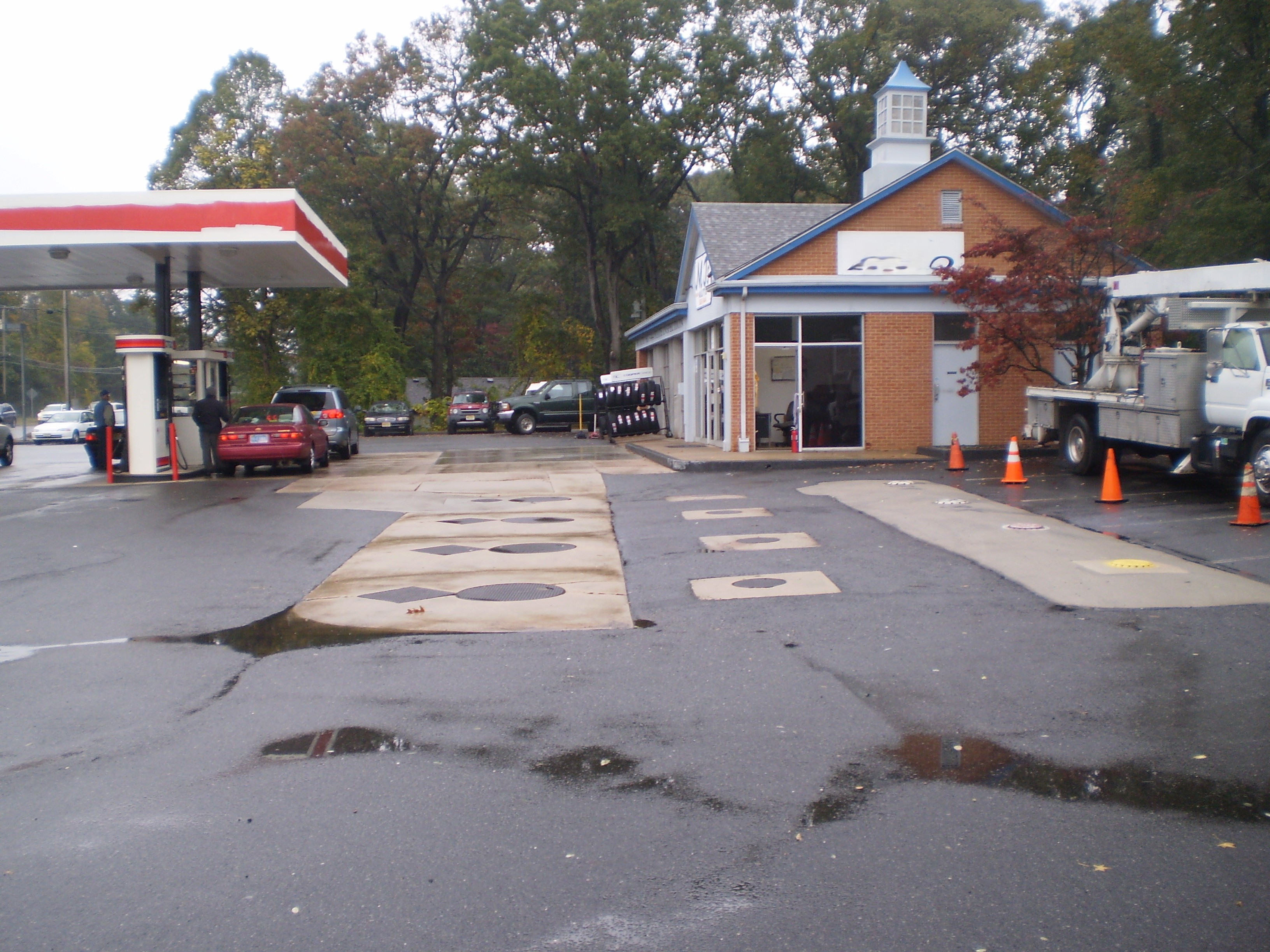
Understanding UST Removal
Underground Storage Tanks (USTs) are commonly used in gas stations for fuel storage. Over time, these tanks may leak harmful substances into the soil and groundwater, posing serious environmental and health risks. Removing these USTs is a critical step in the redevelopment process. This involves soil testing and the safe disposal of the tanks following state and federal regulations, ensuring that the site is safe for future use.
Planning for Cleanup and Remediation
Environmental cleanup is essential to prepare a former gas station for new development. This process includes soil and groundwater remediation, which can range from soil excavation to treating contaminated groundwater, depending on the severity of the pollution. Effective cleanup planning not only ensures regulatory compliance but also adds value to the property by eliminating health hazards.
Tips from RT Environmental Services
Redeveloping former gas stations in Pennsylvania and New Jersey presents both challenges and opportunities. At RT Environmental Services, we offer comprehensive solutions tailored to these unique sites. With our expertise in environmental assessments, UST removal, and site remediation, we guide developers through the complexities of environmental due diligence. Our goal is to transform potential liabilities into lucrative opportunities, promoting both safety and sustainable development.
Whether you're considering a redevelopment project or need environmental consulting, RT Environmental Services is ready to assist. With our dedicated team, we ensure your project aligns with legal standards and environmental best practices.
