
Top Environmental Risks in Commercial Property Transactions
Understanding Commercial Property Environmental Risks
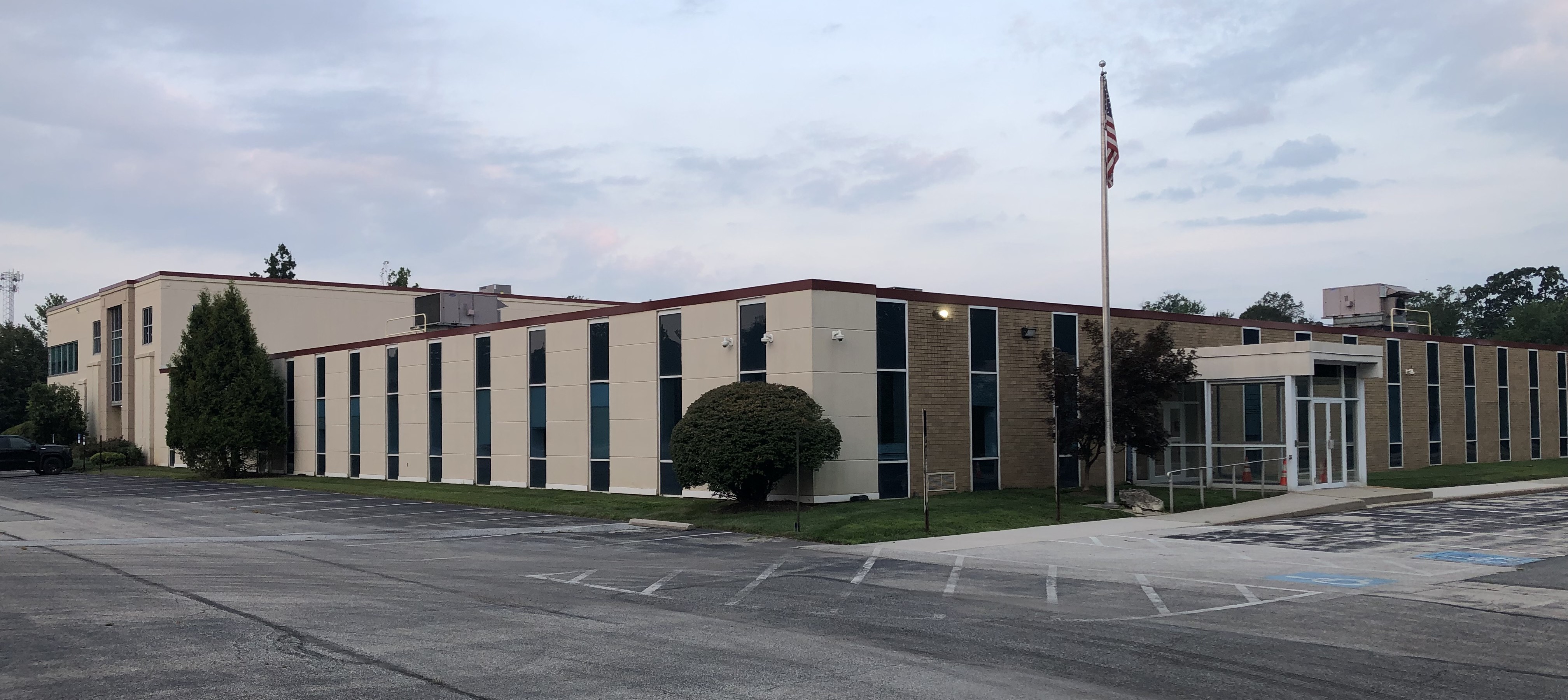
In commercial property transactions, environmental risks can significantly impact property value and marketability. Identifying these risks is crucial to protect investments and comply with regulations. The most common commercial property environmental risks include soil contamination, asbestos, lead paint, underground storage tanks, and water pollution. Addressing these risks early is essential for maintaining property integrity and ensuring safety.
Mitigating Environmental Risks in Commercial Transactions
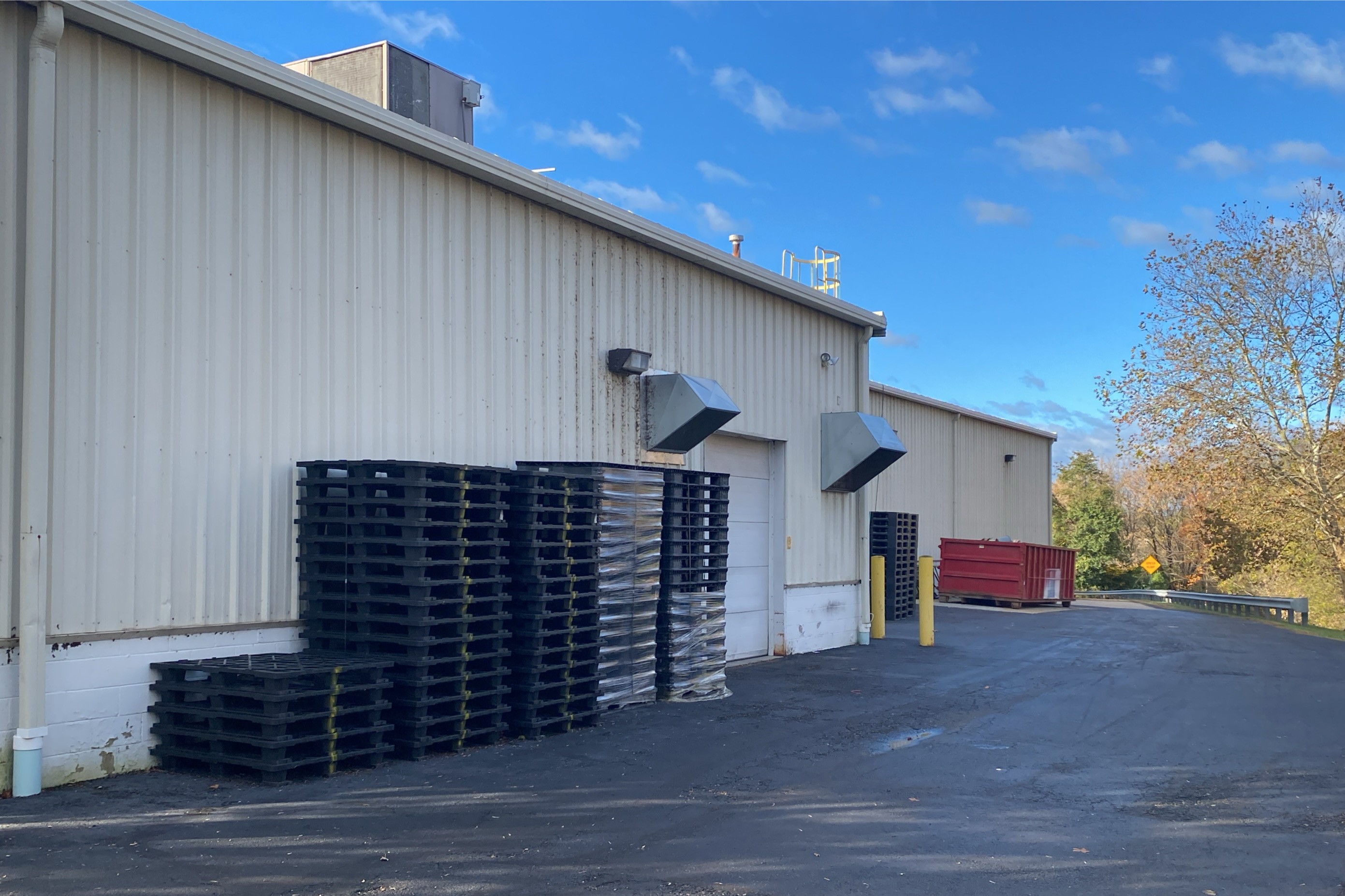
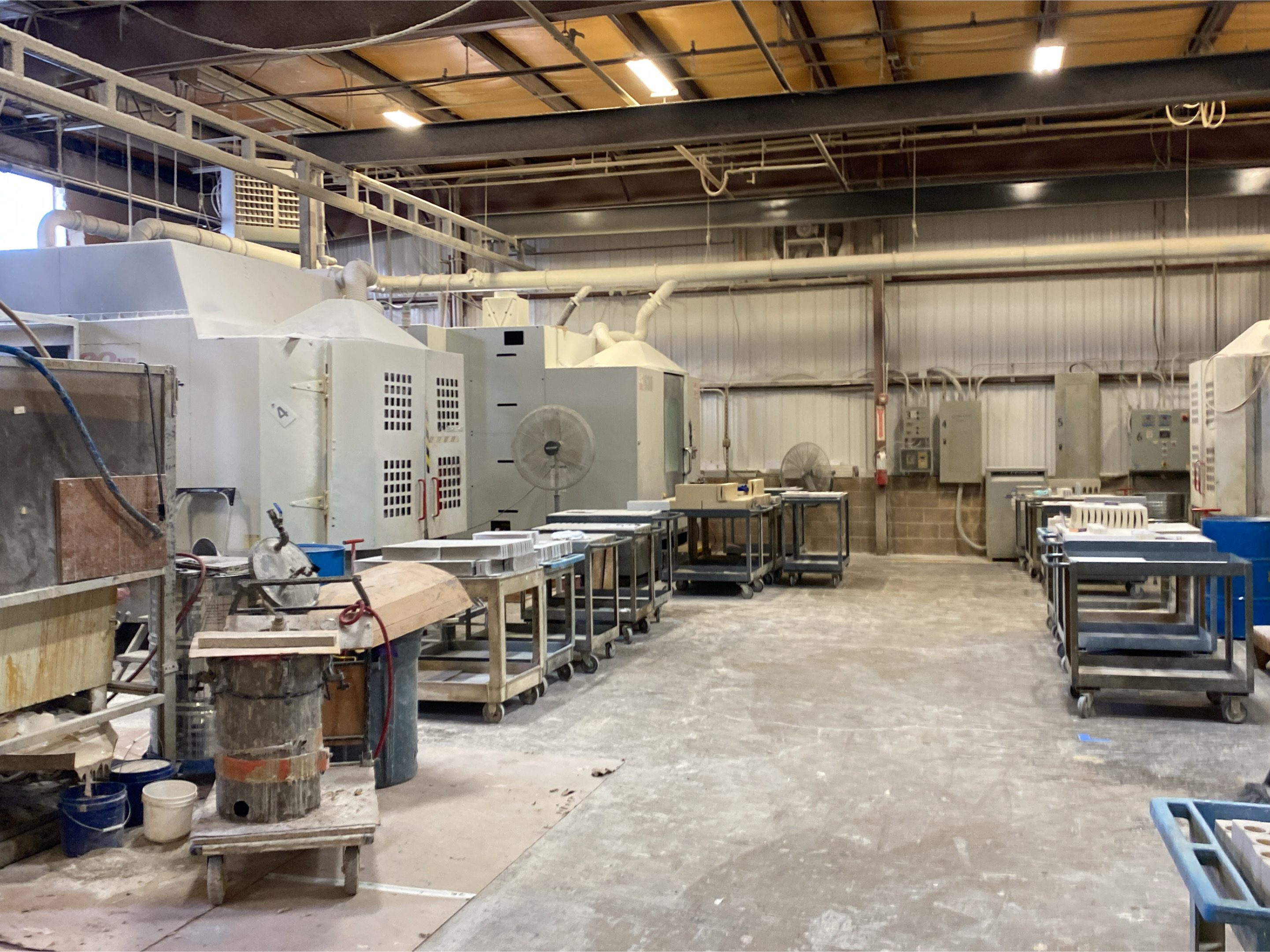
Soil and groundwater contamination are prevalent issues that can result from past industrial activities. Industrial properties require thorough testing and remediation if contaminants are found. Asbestos and lead paint, common in older buildings, also pose health risks and must be managed by licensed professionals during renovations. Water pollution, often overlooked, can affect local ecosystems and require comprehensive water quality assessments.
How RT Environmental Services Supports Risk Mitigation
RT Environmental Services is equipped to handle these challenges efficiently. Our team conducts detailed Phase I and Phase II Environmental Site Assessments, identifying existing environmental risks and proposing effective mitigation strategies. We work closely with property owners and lending institutions in Pennsylvania and New Jersey, ensuring compliance with environmental regulations and facilitating smooth real estate transactions.
Why Clients Trust RT Environmental Services
Our expertise in managing commercial property environmental risks makes us a trusted partner in commercial transactions. We provide tailored solutions, offering peace of mind and safeguarding investments. By choosing RT Environmental Services, clients benefit from our comprehensive approach, enabling informed decision-making in the real estate market.
